

A single chew mark behind a wall or a faint trail of droppings can turn into a mountain of expense when left unchecked. Scheduling a modest inspection brings patterns to light long before repairs become urgent and costly.
Many property owners think a glance is enough, yet trained eyes spot subtle clues that point to deep problems. Acting early often keeps more cash in the bank and stress out of daily life.
The Hidden Costs Of Pest Infestations
Pests do damage in ways that are easy to miss until the bill arrives, quietly gnawing through structural timber, insulation and wiring while homeowners carry on as usual.
Lost stock and spoiled materials eat into profit margins for business owners, and small leaks of attention add up over months into thousands of dollars in repairs and replacement. There is also the time cost of dealing with vendors, repair crews and insurance claims, a steady drain on productivity that no one factors in at the start.
If you’re looking for reliable solutions to protect your property, contact Gold Coast building and pest inspectors for a thorough check. A timely inspection can catch the problem while it is still manageable, keeping a hole in the budget from turning into a sink hole.
What A Pest Inspection Involves
A competent inspection starts with a visual sweep of vulnerable areas, moves to probing subtle indicators and finishes with a clear report that lists risks and recommended next steps. Inspectors trace patterns, match signs to likely culprits and estimate how long an issue has been present using simple evidence based cues.
They also advise on short term fixes that stop active damage and on longer term measures that reduce the chance of a re run of the same problem. The whole process is straightforward, and it gives owners a practical plan rather than a guessing game.
Common Pests And Their Tell Tale Signs
Termites, rodents, ants and beetles each leave different marks that a trained eye can spot even when the homeowner sees only dust and wear. Hollow sounding wood, chewed insulation, nibble marks on cardboard and faint tunnels in soil around foundation posts are all breadcrumbs that point to trouble.
Recognizing the pattern early keeps infestations from gathering force and spreading into living or working spaces where consequences grow fast. The inspector turns those crumbs into a map that helps stop the issue before it gets out of hand.
Early Detection And Structural Protection
Hidden rot and compromised supports weaken a building from within, and the cost to reinforce a frame rises sharply once damage is advanced rather than recent. Catching the issue in its infancy can reduce major reconstruction to a handful of targeted repairs, saving labor and material costs while preserving the original finish.
An inspection flags vulnerable spots like moisture intrusions and wood to soil contact, giving owners a chance to seal and shield before the structural alarm bells start ringing. Acting now keeps things standing tall and protects the investment that a property represents.
Damage To Wiring And Utilities
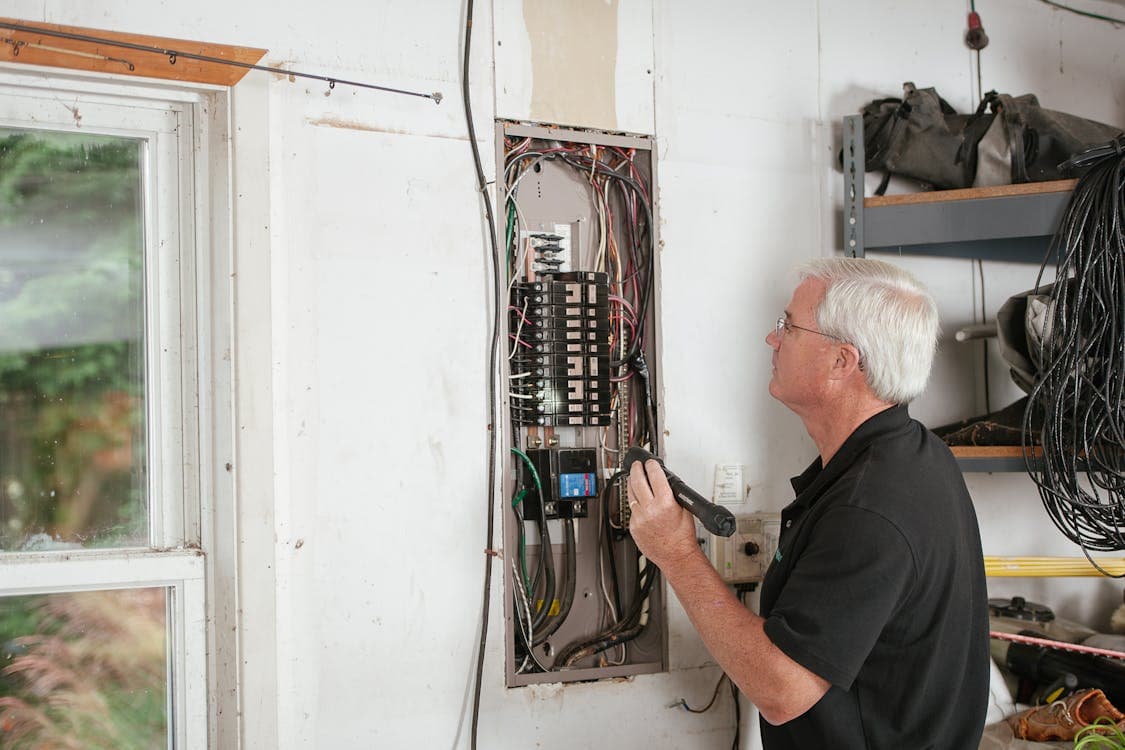
Rodents and some insects are notorious for chewing on wires and plastic conduits, creating a fire hazard that is not always obvious until smoke appears or a breaker trips at a bad time. Repairing electrical systems and replacing damaged HVAC components quickly becomes expensive and disruptive to daily routines, and a small chew can equal a large bill.
An inspector points out early evidence of these risks and suggests simple barriers and reroutes that cut the danger in its tracks. Taking that step is a way of forestalling a much worse outcome that could impact safety and finances.
Health Risks And Financial Implications
Pest activity brings allergens, pathogens and contamination of food supplies, introducing medical bills and lost work days into the tally of consequences that go beyond property. Contaminated surfaces and airborne particles can aggravate respiratory issues and lead to long term health follow up when problems are left to fester.
A prompt inspection helps close off the exposure pathways and reduce the need for costly clean up operations or legal claims from affected tenants or employees. In that sense a simple check is also an act of risk management that protects bodies and budgets at the same time.
Insurance And Legal Issues
Insurance policies often exclude damage that results from long standing neglect, leaving owners on the hook for major outlays when an inspector was not hired early enough to document attempts at prevention. A dated inspection record provides a paper trail that supports claims and shows that effort was made to maintain the property in a responsible way.
Landlords and managers who keep these records avoid disputes that can escalate into lawsuits or regulatory fines where tenant health is involved. A modest investment in inspection can translate into stronger standing with carriers and regulators when trouble appears.
Choosing The Right Inspector
Selecting a qualified inspector is part common sense and part knowing what questions to ask about experience, licensing and prior cases that are similar to your situation. A good inspector explains findings in plain language, points to evidence and offers options with cost estimates that make planning simple rather than mystifying.
Ask how they document findings and whether they provide follow up visits after treatment, because a single check with no return is of limited value. Trust your instincts, look for credentials and pick someone who makes the next steps feel doable rather than overwhelming.
Routine Inspections As A Smart Investment
Making inspections a regular line item in maintenance budgets turns them into predictable costs that prevent sudden shocks to cash flow and peace of mind. When checks are routine, patterns emerge early and treatments stay targeted and affordable, and the old adage about prevention being worth more than cure rings true in the monthly ledger.
Regular records build a history that property buyers and insurers respect, and they reduce the friction of unexpected emergency work that disrupts lives and commerce. A steady habit of inspection is less about fear and more about keeping business and home life running smoothly.