
Most people in Las Vegas found out how strained the power grid is getting from a news story about data centers, not from anything in their own backyard. The two are closer than they look.
In May 2026, NV Energy filed its long-range plan with state regulators and put a number in front of everyone. The utility has fielded interest adding up to about 22,000 megawatts of potential new demand, most of it from data centers, against a current statewide peak of roughly 8,500 megawatts. Not every one of those projects gets built. Even a slice of it would move what electricity costs and how hard the grid has to work on a July afternoon.
For a homeowner, that lands somewhere specific. The summer electric bill, and the air conditioner running up most of it.
The grid you share every August
Peak demand in Nevada hits on hot afternoons, when hundreds of thousands of air conditioners run at the same time. That’s already the tightest hour of the year for the system. Now stack years of new industrial load onto the same wires.
The data centers are out of your hands. Your own house isn’t. You can lower how much cooling it pulls during those hours, which shows up on your bill and, in a small way, eases the same peak the utility is scrambling to plan around.
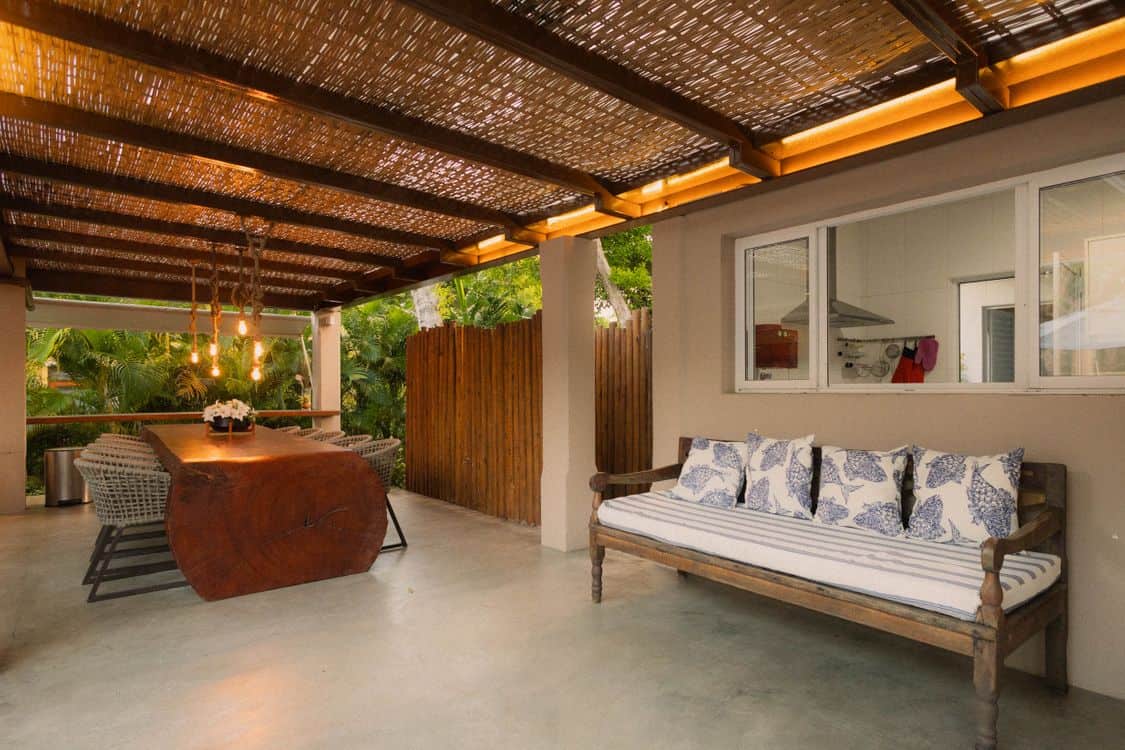
A lot of that cooling load comes in through the back of the house. Sun sitting on a bare slab and an unshaded wall all afternoon drives heat straight into the rooms behind them, and the AC runs longer to keep up. Shade the patio and you stop a chunk of that heat before it reaches the glass.
Why a covered patio is really an energy decision
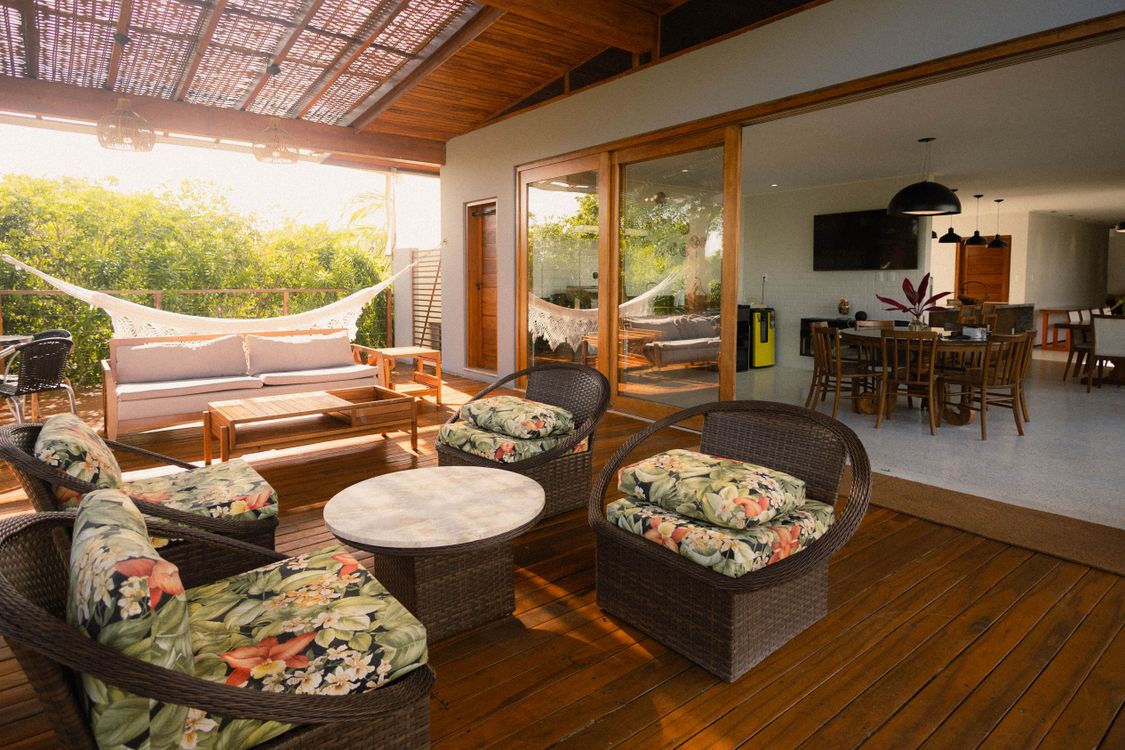
People file a patio cover under comfort. In this climate it’s closer to an efficiency upgrade you happen to be able to sit under.
An insulated aluminum cover keeps the slab and the wall behind it out of direct sun through the worst part of the day. The rooms on that side stay cooler, the AC cycles less, and the space outside turns usable in the evening instead of throwing stored heat back at you after dark. The bill is usually where people notice it first.
None of this needs solar panels or a gut remodel. It’s shade, put where the sun does the most damage, working the same way an old cottonwood does, minus the water and the roots in your sewer line.
Planning for power that costs more, not less
The direction of Nevada’s grid is set for the next decade or two. More demand is coming online, the utility is spending heavily to keep pace, and nobody serious is forecasting cheaper summer power.
That’s the backdrop homeowners are reacting to when they cover a patio. It’s a hedge you can see and actually use, against bills that keep climbing and afternoons that keep getting hotter. The households thinking a few years out treat shade as part of how the house runs, not something bolted on after the fact.
The grid story will keep playing out in regulatory filings most people never open. The part that reaches your backyard is simpler. You cool the house for less, and you get the patio back in July.