
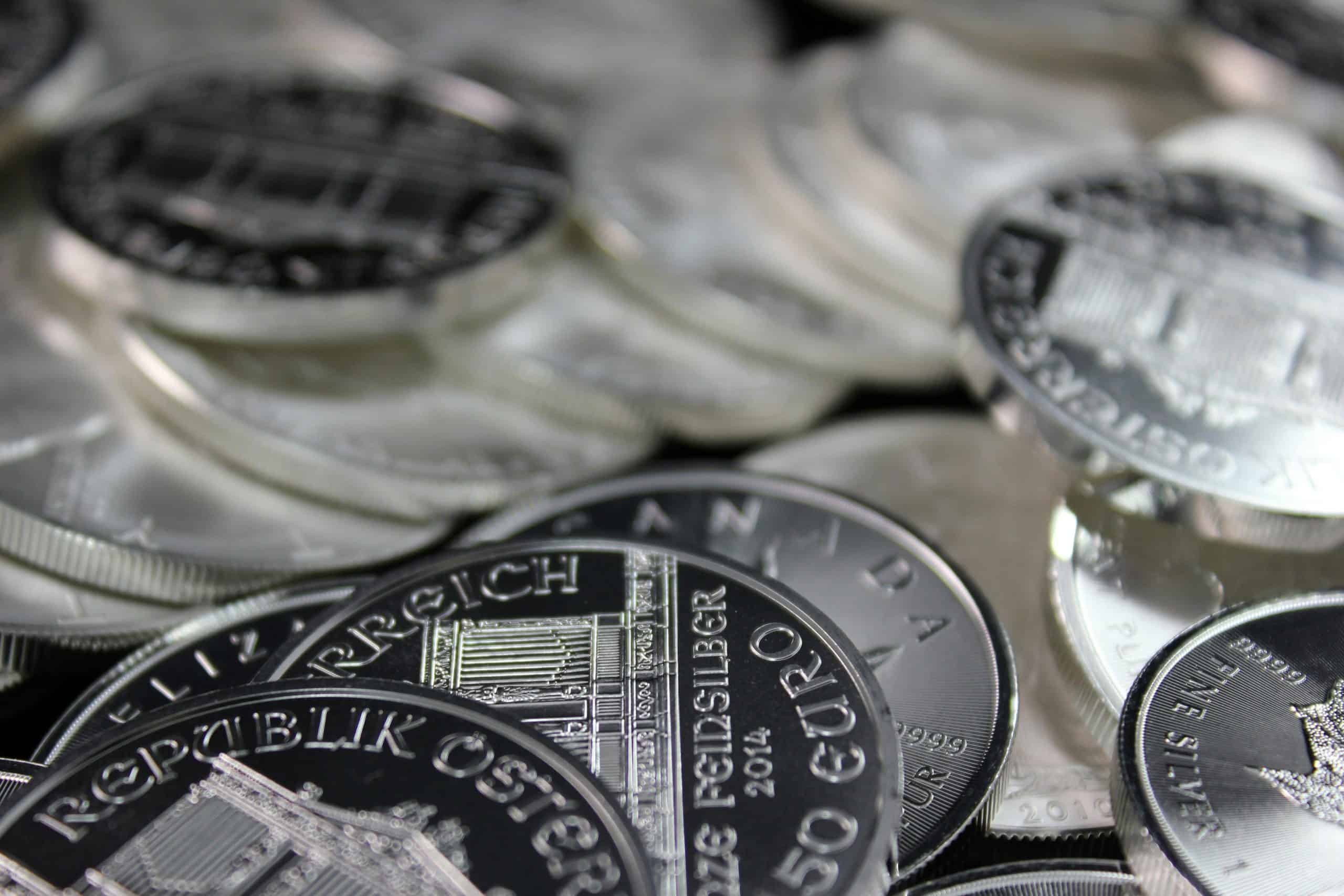
Gold, silver and other precious metals have long held a place in human affairs as stores of value and objects that attract strong emotion. Many people think of metals as a hedge against hard times, a way to stretch stability when paper wealth looks shaky, and a tangible asset you can hold in your hand.
There are clear strengths in owning bullion or coins, and there are important trade offs that deserve a close look before any choice is made. A helpful starting point for many investors is exploring Money Metals strategies for protecting capital, especially when trying to understand how metals may fit into a broader risk management approach.
What Precious Metals Are And How They Behave
Precious metals refer to naturally rare metallic elements that have been prized for centuries for beauty, utility and relative scarcity, with gold and silver the best known and platinum and palladium following close behind.
Price moves for these metals are driven by supply and demand with supply often fixed in the short term due to mine output and recycling, while demand comes from jewelry, industry and investor interest that can spike in certain moments.
Market behavior often shows that when confidence in currency falls or geopolitical worry rises, demand for metal rises, and prices can climb, although timing and magnitude vary widely. Volatility is part of the story so buyers should expect sharp swings and periods of calm that can last months or years.
Historical Role Of Gold And Silver In Crises
Throughout history, metals have played a central role in payment systems and in storing value when other instruments failed, and that record has given them a symbolic weight beyond their industrial use. During episodes of high inflation or banking distress, people have turned to gold and silver as alternatives to cash, and these shifts in demand can influence prices strongly and quickly.
Past performance is no guarantee of future results but the long arc does show that metals can hold purchasing power across many generations when currencies have lost value. The memory of past crises therefore shapes investor psychology and can create self reinforcing patterns of buying and selling that affect markets.
Inflation And Currency Weakness As A Reason To Own Metals
A common argument for owning metals is their role as a hedge against rising prices and a weakening currency, where a physical asset provides a bridge while paper claims erode. Gold often gains attention when central banks add liquidity or when fiscal strain creates doubt about currency purchasing power, and that reputation keeps metals in investor conversations in times of stress.
Simple math shows that an asset whose supply cannot be printed can behave differently than a bank deposit or a government bond, and that difference is part of the appeal for some investors. At the same time, factors such as interest rates, real yields and investor positioning can push metal prices lower even as inflation rises, so the relationship is not mechanical.
Portfolio Diversification And Risk Management
Metals can play a role in a diversified portfolio by supplying a return stream that is not tightly linked to equities and bonds, which can make the overall mix less correlated and potentially smoother in turbulent stretches.
The benefit comes when metals move out of step with other holdings, reducing portfolio drawdown in some stress scenarios, but the size of that benefit depends on allocation size, timing and how the rest of the portfolio is constructed.
Investors who treat metals as an insurance policy often accept lower long term yield in exchange for lower correlation and the psychological comfort of tangible ownership. Any allocation should be evaluated with clear goals in mind, whether those goals are capital preservation, purchasing power protection or behavioral support when markets get wild.
Practical Ways To Own Precious Metals
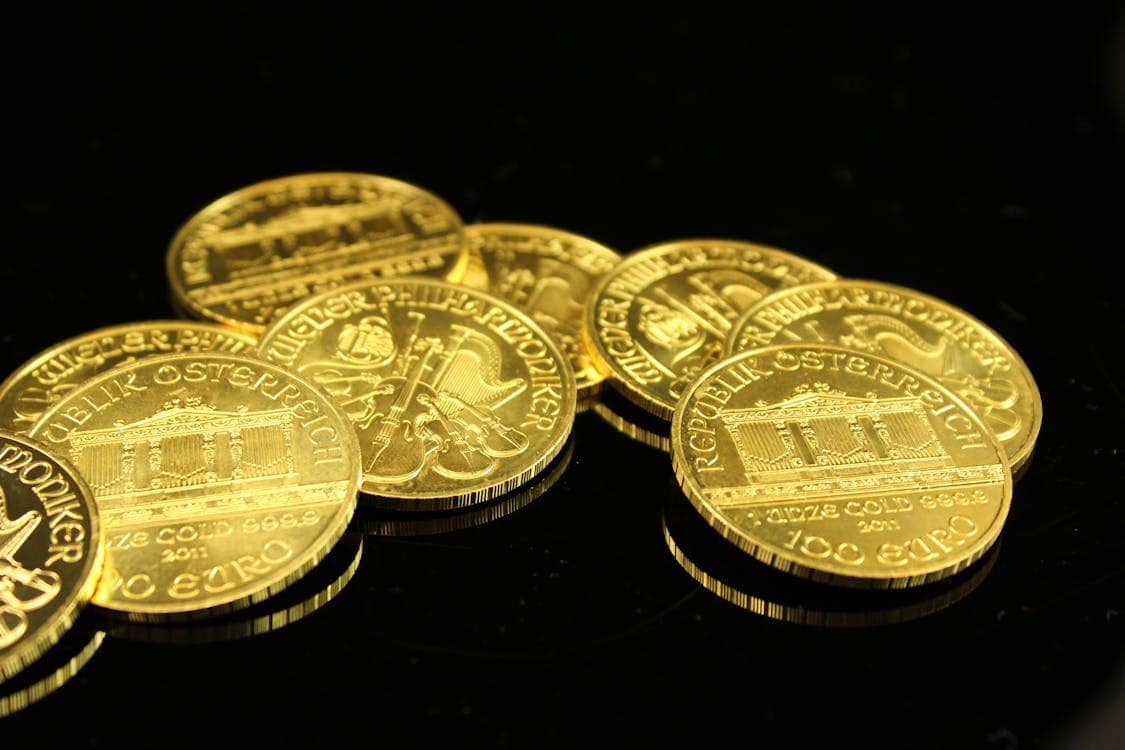
There are several methods to own metals, each with trade offs in cost, convenience and custody, and choices include physical bars and coins, exchange traded funds that hold metal, futures contracts and shares in mining companies.
Holding physical metal gives direct control and removes counterparty risk but introduces storage and insurance costs, while financial vehicles offer ease of trading and lower immediate overhead but add counterparty exposure and fee layers.
Coins and small bars also carry premiums above spot price that reflect minting and distribution costs, and collectors premiums can push prices further from metal value for certain items. Deciding which route fits your plan depends on liquidity needs, trust in institutions and whether you want the metal in a safe at home or in a vault.
Risks And Costs Of Holding Metals
Owning metals is not free of worry, and transaction costs, storage fees, insurance, dealer spreads and taxes can erode returns over time and bite into the perceived protection that metals provide. Markets can be sentimental and trend driven, which can produce periods where prices languish or fall for extended stretches, and an investor who buys at a high point may face long waits for recovery.
There are also security risks with physical holdings that require sensible steps to safeguard possessions from theft and loss, adding practical burdens many do not fully anticipate. Lastly, owning mining equities adds corporate risk such as management choices, cost inflation and geopolitical exposure that can complicate the pure metal story.
How To Decide If Metals Fit Your Financial Plan
Start by clarifying the role that metals would play in your broader plan, whether as a small insurance allocation, a speculative position or a long term store of value tied to estate planning or gifting. Match allocation to objective and time frame, recognizing that a small percentage can provide behavioral benefits without dragging overall returns dramatically, while larger positions change your risk profile and spending plans.
Think about liquidity needs, tax treatment and where you will keep the metal, and be candid about how you will behave if prices swoon and headlines get loud. A disciplined approach with periodic review and simple rules for buying or trimming holdings helps reduce emotion driven choices that often undermine the original plan.