
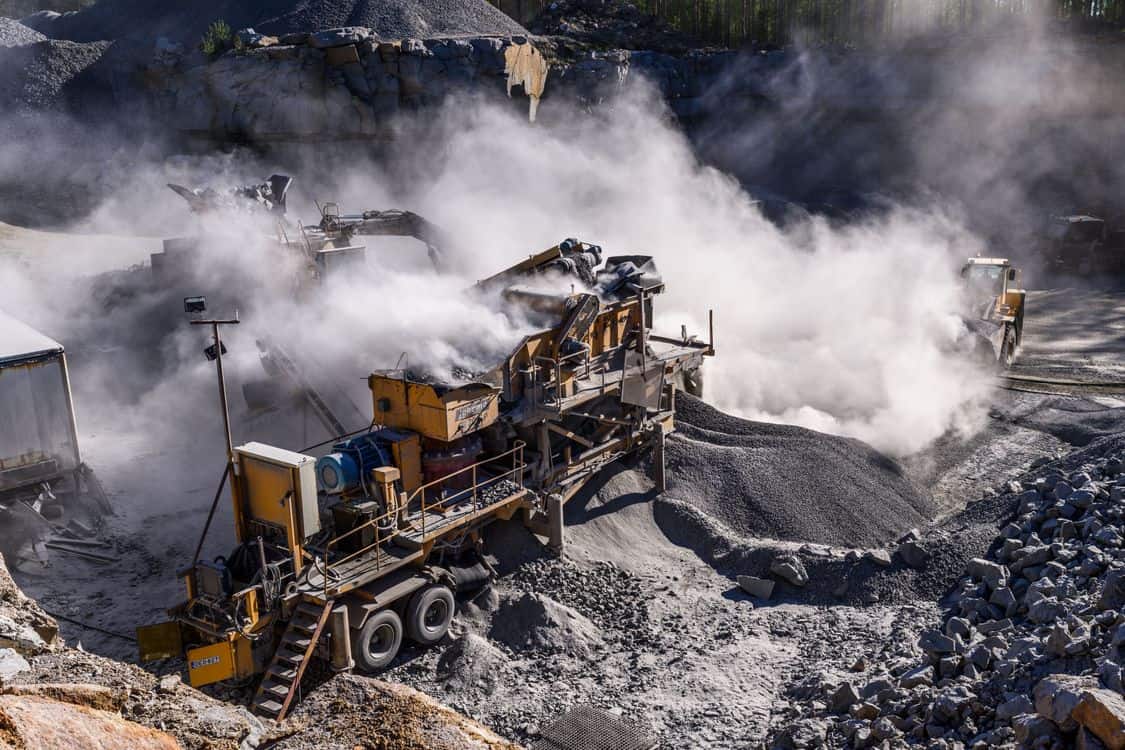
Finlay used Bauma CONEXPO INDIA 2026 to introduce its Elektro hybrid crushing and screening range to the Indian market. The launch included the J-1170 jaw crusher and C-1540 cone crusher, both designed to operate from an external electrical supply or an onboard diesel generator. That dual-power arrangement addresses a real constraint on mobile sites: grid access is valuable when available, but not dependable everywhere.
The company also highlighted telematics and metal-detection options. Its announcement describes a mains-or-generator power choice across the new machines.
Hybrid power changes site planning
A diesel-hydraulic Mobile Crusher can be deployed with relatively little electrical preparation, but fuel use and maintenance follow it to every job. A hybrid machine can draw electricity where a suitable connection exists, potentially reducing local fuel consumption and simplifying some daily service. The generator preserves mobility when the plant moves to a quarry face, demolition site or remote contract.
The tradeoff is that “plug in” is not a complete electrical plan. A site needs the correct voltage, frequency, cable routing, protection and connection capacity. Feeders, screens and conveyors must also be considered because the crusher rarely works alone. The greatest benefit comes when the complete processing train is planned around the available power source.
Crusher selection still begins with the feed
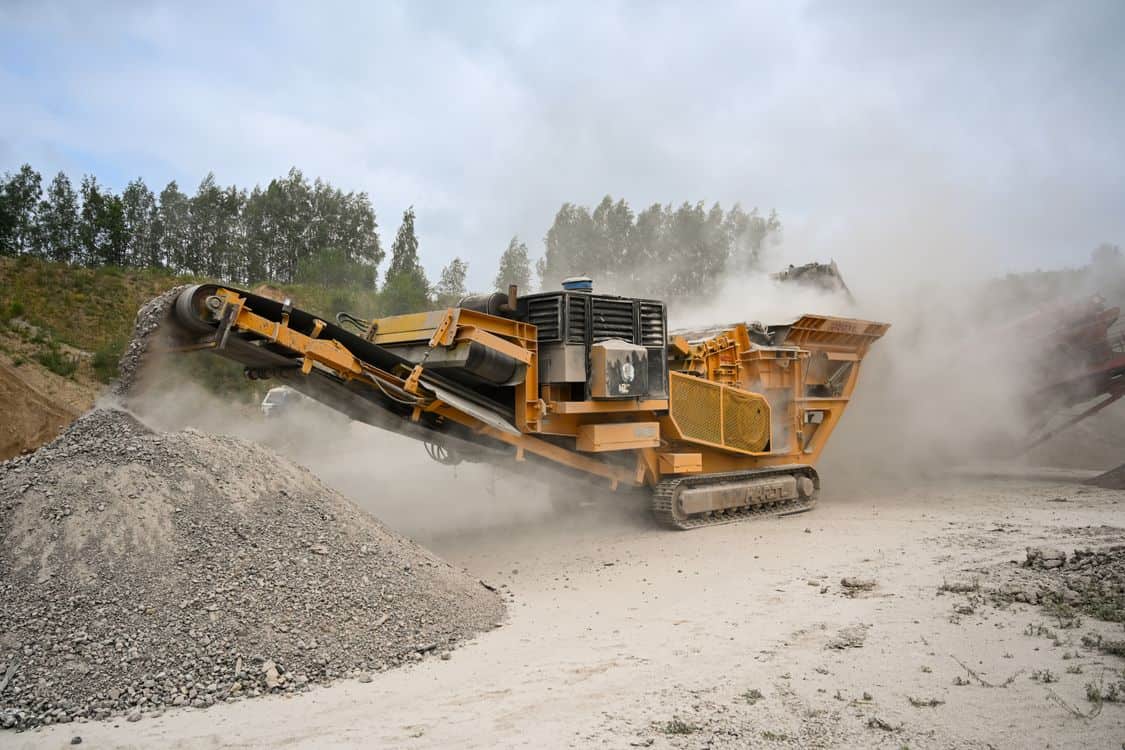
Powertrain news should not distract from the basic application. A jaw crusher is commonly chosen for robust primary reduction, while a cone crusher is suited to controlled secondary or tertiary crushing of appropriate material. Feed size, abrasiveness, moisture, required reduction ratio and target product shape determine which machine belongs in the circuit.
Finlay’s Indian launch is significant because it brings flexible electrification into a market with varied infrastructure and rapidly changing job sites. For buyers, the right comparison is not diesel versus electricity in isolation. It is tonnes per hour, energy cost, uptime, product quality and the practical ability to power and move the entire plant over its working life.
A realistic cost study should use the site’s duty cycle. Crushers rarely operate at nameplate output for every scheduled hour, and idle time, feed interruptions and recirculating loads affect energy use. Comparing fuel records with expected electrical demand gives a better picture than multiplying motor rating by the shift length.
Mobility also has a price. Frequent relocation favors quick connections, manageable cable systems and simple commissioning. A machine that spends months in one position may justify more permanent electrical infrastructure. Contractors working across both types of site may value the onboard generator as insurance even if most production is expected to use mains power.
Connected features support uptime
Telematics can help managers track utilization, alarms, fuel or energy use and maintenance intervals across a fleet. The data is most useful when it feeds a clear maintenance process. Alerts need assigned owners, spare-parts planning and enough context to distinguish a developing fault from a brief operating event.
Metal detection protects the chamber from tramp material, but it also depends on disciplined response. Operators need a safe method to stop the feed, locate the contaminant and restart the circuit. Magnets, pre-screening and visual inspection may still be needed depending on the demolition or recycled feed.
Before purchase, buyers should request a demonstration using representative material and measure throughput, product grading, recirculating load and energy consumption. They should also confirm service coverage for both the crushing system and its electrical components. Hybrid power expands the operating choices, but feed preparation, chamber selection and maintenance execution still determine whether the mobile crusher delivers profitable tonnes.
Operator training should cover both power modes. Startup, shutdown, isolation and fault-finding procedures may differ when the machine is connected to mains power instead of its generator. Clear labeling and site-specific electrical responsibilities reduce the chance that a maintenance crew assumes equipment is isolated when another energy source remains available.
The final specification should include ambient temperature, dust exposure and expected elevation as well as production targets. Those conditions can affect cooling and electrical performance. Defining them in the inquiry gives the manufacturer a fair basis for confirming output and prevents a headline capacity figure from being applied outside its intended environment.