
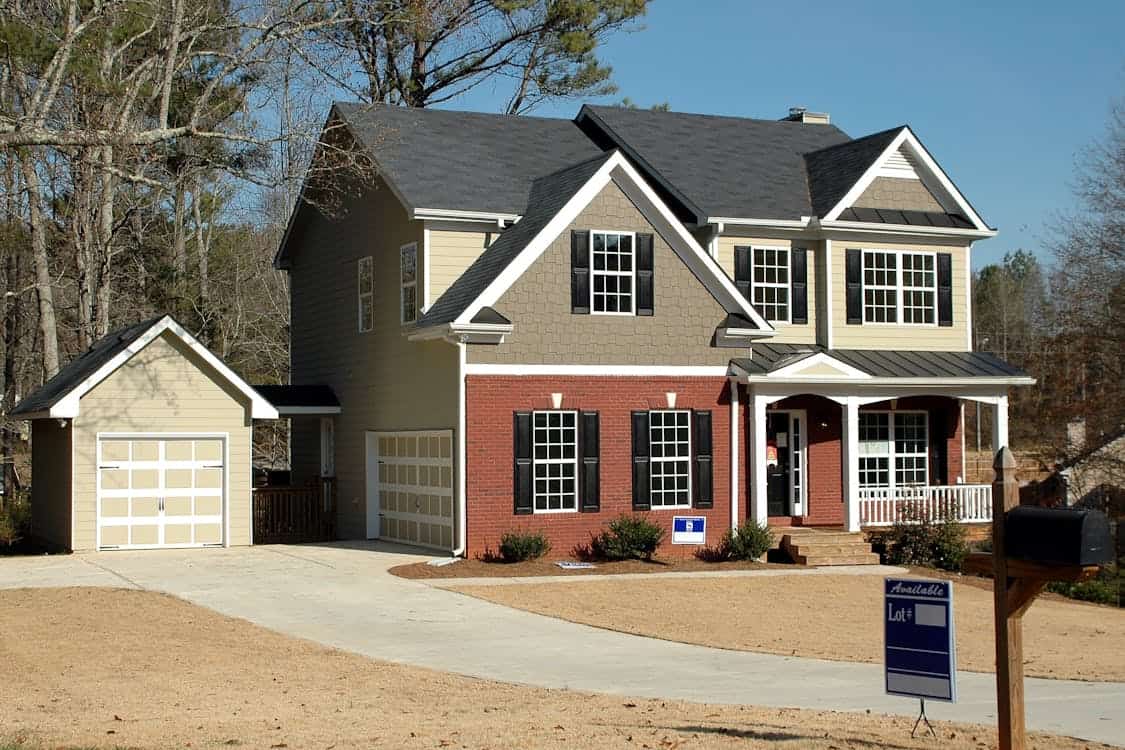
For years, the advice to anyone building a home in Victoria carried a quiet caveat: the consumer protections were thinner than most people assumed, and the system mostly kicked in only after something had already gone badly wrong. That is about to change.
A sweeping overhaul of the state’s building laws is rolling out across 2026, and while much of the headline coverage focuses on apartment towers, several of the changes reach right down into the world of detached custom homes. For anyone choosing a builder this year, it reshapes the questions worth asking.
What the Buyer Protections Act Actually Does
The centrepiece is the Building Legislation Amendment (Buyer Protections) Act, with its first package due to commence by 1 July 2026 at the latest. It is widely described as the most significant rewrite of Victoria’s building regulation in roughly three decades.
The old Victorian Building Authority is being folded into a new regulator, the Building and Plumbing Commission, designed as a single body covering quality control, insurance and dispute resolution. The idea is a one-stop-shop, so a homeowner with a problem is not bounced between agencies.
For lower-rise homes, domestic building insurance shifts from a last-resort model to a first-resort one. In plain terms, owners will be able to claim for incomplete, defective or non-compliant work without first having to prove the builder has died, vanished or gone insolvent.
The regulator also gains real teeth on defects. Rectification orders can be issued to a builder, a developer, or both, and they can be issued up to 10 years after a project’s completion date.
The Part That Matters Most for Custom Home Clients
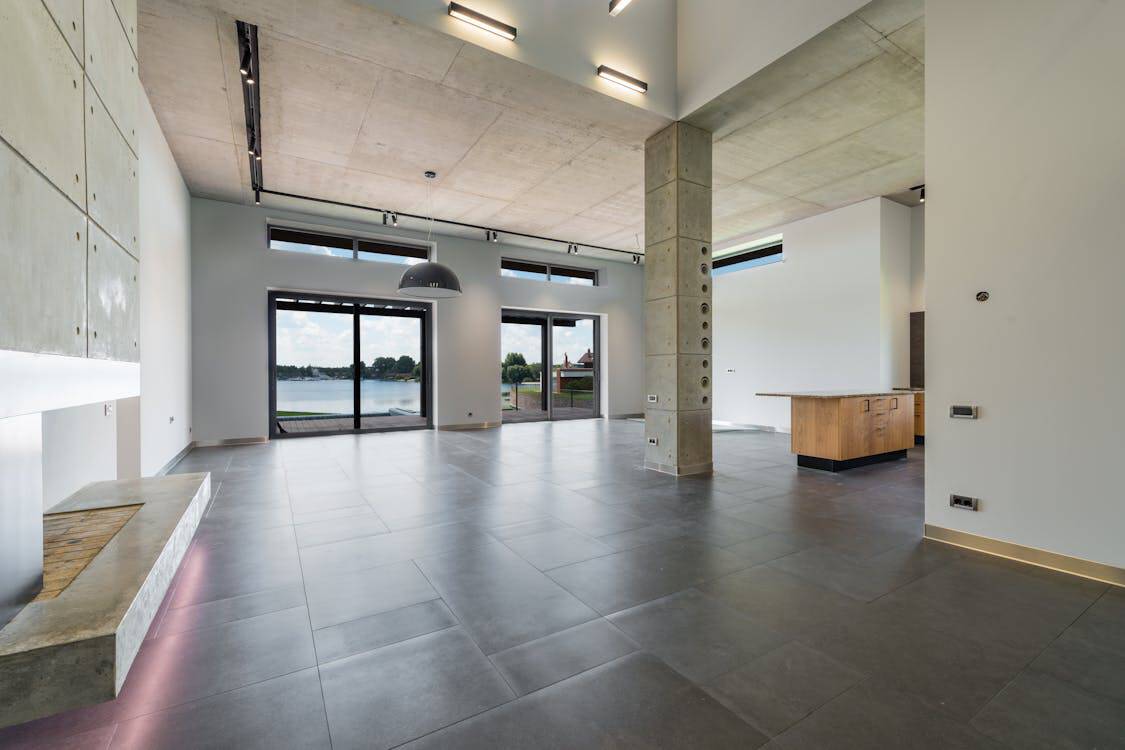
The developer bond scheme that dominates the legal commentary applies to residential buildings over three storeys, so it is largely an apartment story rather than a custom-home one. But two other changes sit much closer to anyone commissioning a one-off house.
The first is the introduction of minimum financial requirements for builders. To register, applicants will have to meet prescribed financial standards, and registered builders who fall short could face discipline, fines, or even suspension or cancellation of their registration.
That matters because the single biggest risk in a high-end residential project is not bad taste in tapware. It is a builder running out of money halfway through your build. The reforms are a direct attempt to weed out operators who are one bad quarter away from collapse.
The second is simply the rising bar on accountability and transparency, which rewards builders who already operate that way. Established, well-run firms, particularly award winning luxury builders in Melbourne who hold recognised industry memberships and run disciplined fixed-price processes, are the ones least disrupted by tighter financial scrutiny, because they were already meeting the standard.
How to Use the New Rules When Choosing a Builder
The reforms hand homeowners a sharper set of due-diligence questions, and there is no reason to wait until July to start asking them.
Ask a prospective builder directly about their registration status and how they are positioning for the new minimum financial requirements. A confident, specific answer signals a business that is financially sound and paying attention; a vague one tells you something too.
Ask how they handle defects and warranty work after handover, and how a dispute would actually be resolved under the new first-resort insurance model. The firms that have nothing to hide will walk you through it without flinching.
It is also worth treating the fixed-price contract as the protection it is. The reforms strengthen the system around you, but a transparent, fully itemised contract with a builder who communicates clearly remains your best front-line defence against the problems the legislation is trying to fix.
The building system is being rebuilt around the principle that consumers deserve recourse before disaster, not after. For anyone about to spend seven figures on a home, that shift is overdue, and it makes the choice of builder more consequential than ever.