
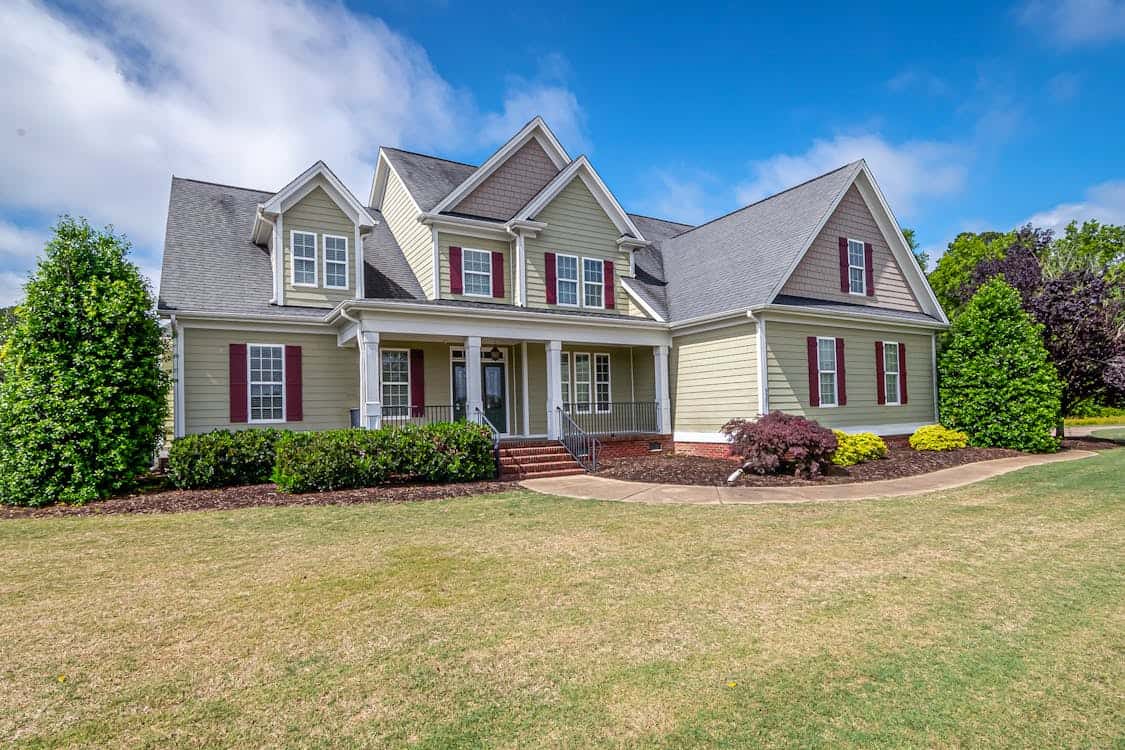
Texas is a huge place with weather that can swing from blistering sun to sudden storms in the same week. Roof life spans vary a lot across the state because heat, wind, hail and humidity each wear materials in their own way.
Home style, material choice and occasional upkeep all play roles in how long a roof will stand up to local conditions.
Panhandle And High Plains
The Panhandle sees strong winds, large hail and wide temperature swings that stress shingles and seams over time. Asphalt shingles in this region typically last about fifteen to twenty five years when they are well installed and serviced, with wind damage shaving years off the top when storms hit hard.
Metal roofs resist denting from hail more than shingles but repeated thermal cycling can loosen fasteners or create tiny gaps that need attention. Flat material options can perform well if drainage is prompt and seams are inspected after storm events.
North Texas And Dallas Area
North Texas combines hot summers and occasional severe storms that toss around roofing material and test fasteners. Typical asphalt shingle roofs last around fifteen to twenty five years here, though high wind events and hail can push an owner toward earlier repair or replacement.
Metal roofs often exceed thirty years with routine checks at flashing and edge points, while tile roofs show long life but need a solid underlay to cope with freeze thaws. Regular roof washing to remove grit and debris helps prevent accelerated wear from trapped moisture.
East Texas And Piney Woods
The Piney Woods bring lots of humidity, frequent storms and a steady diet of rain that can feed moss, algae and rot when shaded areas do not dry quickly. Asphalt shingles in this wet environment commonly last about fifteen to twenty years, with biological growth and trapped moisture shortening that span on north facing slopes.
Metal roofs perform well against rot and biological staining and can last three decades or more when coatings are maintained to block corrosion. Proper attic ventilation and prompt clearing of leaves from valleys will buy extra life from nearly any roof material.
Gulf Coast And Houston Region
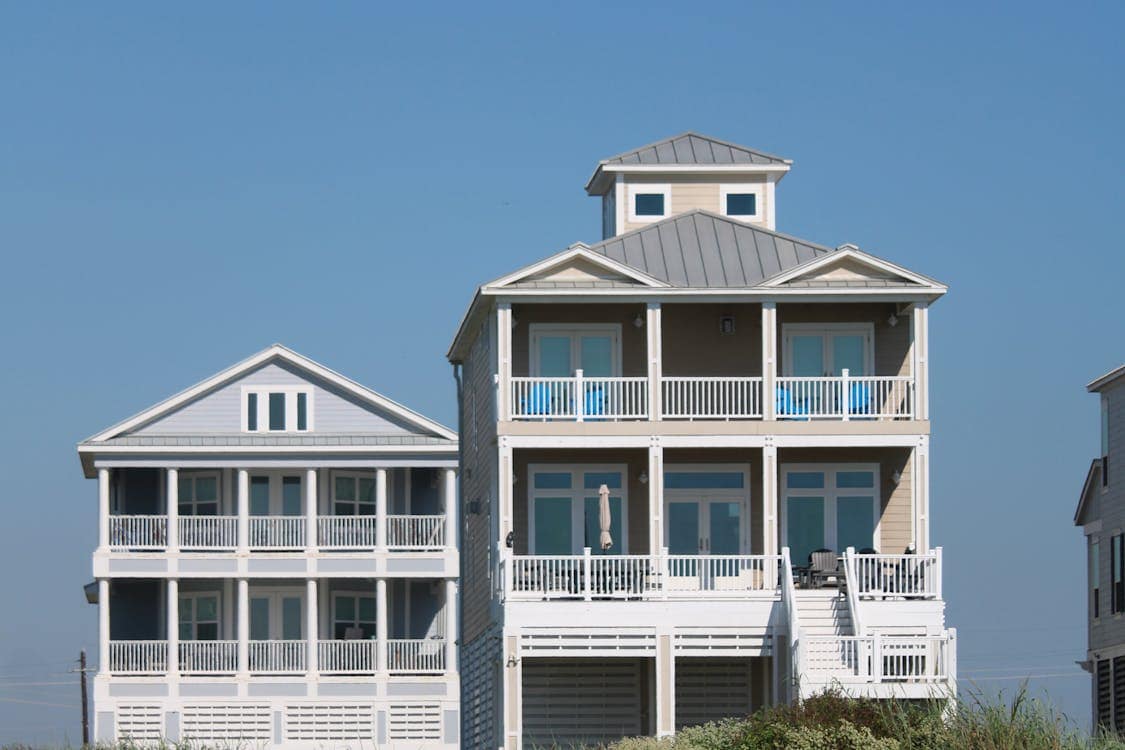
Salt air, high humidity and hurricane level winds make the Gulf Coast one of the tougher places for roofs in the state. Asphalt shingles often have lifetimes closer to twelve to twenty years on the coast because wind uplift and salty air wear materials faster than inland climates.
Metal roofs are appealing here because they resist rot and can be engineered to meet strict wind uplift standards, sometimes lasting forty years or more when installed correctly. Extra care at flashings, joints and soffits reduces the chance of leaks after strong wind events.
Central Texas And Hill Country
The Hill Country mixes intense sun, sudden storms and rocky terrain that can challenge both installers and materials over time. If you need reliable help with roof maintenance or inspection, a trusted roofing austin tx service can make a big difference before small issues turn into costly repairs.
Shingle roofs generally last around fifteen to twenty five years, but intense ultraviolet exposure can cause faster fading and brittleness without reflective coatings or proper ventilation. Clay tile and stone roofs often last much longer, sometimes reaching fifty years, yet their performance depends on proper underlayment and secure anchoring on sloped terrain. Routine checks after stormy seasons and watching for granule loss give clues to when a roof needs closer attention.
West Texas And Arid Plains
West Texas is dry and sunny with wide daily temperature swings that strain materials through thermal expansion and contraction. Asphalt shingle life in arid areas tends to be longer in the absence of constant moisture, often reaching twenty to twenty five years, though intense UV and heat can make shingles brittle over time.
Metal roofs cope well with the sun and resist fire risk in dry country while offering long service life when panels and fasteners are well maintained. Flat systems require special attention to membrane integrity to avoid small cracks that will grow under heat cycling.
South Texas And Rio Grande Valley
The southern tip of the state deals with heat, humidity and occasional tropical storms that can accelerate wear on roofing components. Asphalt shingle roofs here commonly last around twelve to twenty years, with strong sun and humidity working together to age materials faster than in cooler parts of the state.
Metal and tile roofs resist biological growth and can remain in service for many decades with routine inspections focused on wind uplift and fastener corrosion. Keeping gutters clear and watching for loose flashings makes a big difference in how long a roof will perform.
Common Roofing Materials And Lifespans
Asphalt shingles are the most popular choice because they are affordable and familiar, and their lifespan across Texas ranges from about twelve to twenty five years depending on the local climate and care. Architectural shingles usually outlast three tab types by several years and offer better impact resistance which helps in hail prone areas.
Metal roofs provide long term value in many regions, with service lives frequently reaching thirty to forty years when coatings and fasteners are maintained. For homeowners wanting very long lived surfaces, clay or concrete tiles can reach fifty years and beyond when the underlayment and structure are sound.