

Equipment sale leaseback is a financial strategy that allows businesses to unlock capital tied up in their assets. This arrangement provides firms with liquidity while enabling them to retain the operational use of vital equipment.
Below are the critical steps to ensure a successful transition through this process.
Understanding the Basics
Before diving into the procedures, it’s essential to grasp the concept of sale leaseback. In this arrangement, a company sells its equipment to a financial institution, then leases it back for continued use.
This allows the business to convert its assets into cash while maintaining operational continuity. It’s a win-win when executed properly.
Assessing Your Equipment
The first step is to evaluate the equipment you wish to sell. This includes age, condition, and market value. Understanding the current worth is vital.
Conduct thorough inspections and consider obtaining professional appraisals. Accurate assessments can significantly affect the terms of the leaseback agreement.
If you’re looking to free up capital without disrupting operations, an equipment sale leaseback might be a worthwhile option to explore.
Selecting the Right Partner
Choosing the right financial partner is akin to picking a dance partner. You want someone who understands your business needs and can offer favorable terms.
Research various financial institutions and leasing companies. Look for those experienced in your industry; they will know the nuances of equipment financing.
Structuring the Deal
Once you’ve chosen a partner, it’s time to structure the deal. This step involves negotiating key terms, including purchase price, lease duration, and monthly payments.
Think of this as a balancing act; you want to ensure that the lease payments fit your budget without compromising cash flow.
Lease Duration
The lease duration should align with your business needs. A shorter lease may offer flexibility, while a longer one can provide stability. Weigh the pros and cons of each option carefully.
Payment Terms
Negotiate payment terms that suit your financial situation. Monthly payments should be manageable while still allowing for company growth. Consider any potential changes in your cash flow that may arise during the lease period.
Legal Considerations
Engaging legal counsel is often a wise move. They can help review contracts and ensure compliance with relevant laws. A well-crafted lease agreement protects both parties and outlines responsibilities, such as maintenance and insurance.
Understanding Liabilities
Both parties should clearly understand their liabilities. This includes who is responsible for repairs or modifications. Clear definitions can prevent disputes down the line.
Due Diligence
Performing due diligence is like putting on a detective hat. Verify that the equipment has clear ownership and is free of liens. This step safeguards against potential legal headaches later.
Finalizing the Agreement
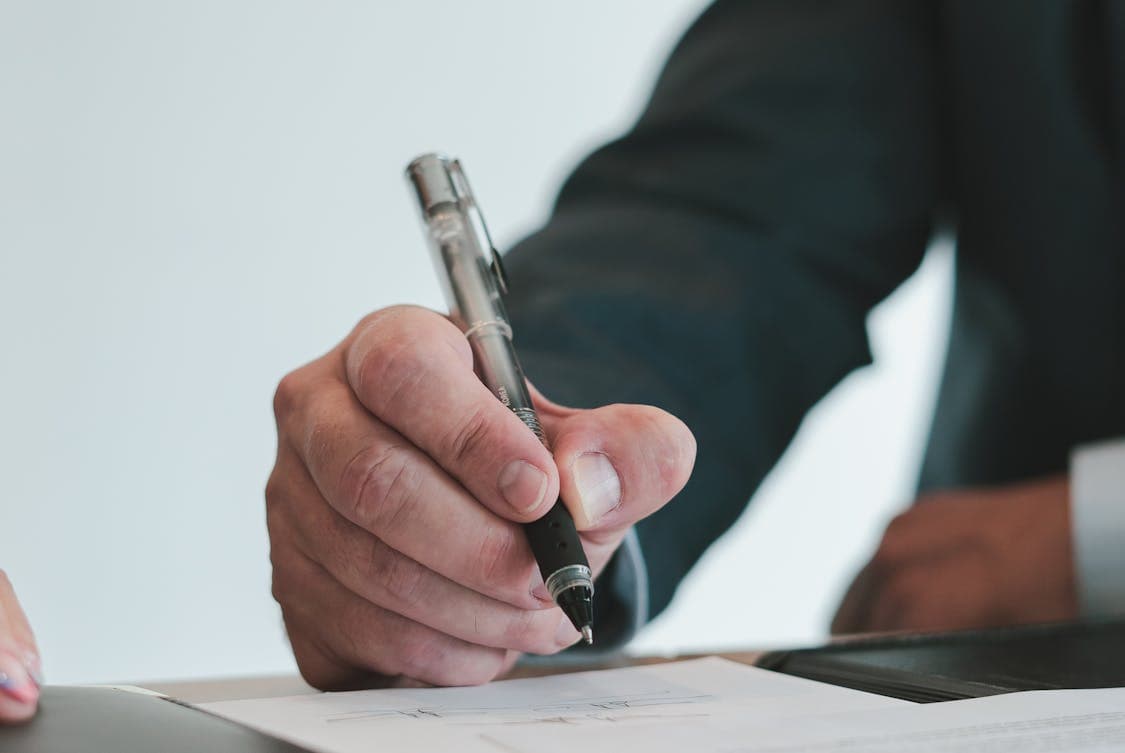
With negotiations complete, it’s time to finalize the agreement. Ensure that all terms are documented, and double-check for any hidden fees or clauses that could complicate matters.
Signing the Dotted Line
Once both parties are satisfied, it’s time to sign. Both sides should retain a copy of the agreement for reference. Keeping a well-organized record can facilitate smoother interactions in the future.
Implementing the Lease
After signing, it’s essential to smoothly transition to the lease. This phase may involve training employees on any new protocols associated with leased equipment.
Communication is key here, ensuring everyone is on the same page regarding usage and expectations.
Training and Support
Provide necessary training for staff on how to operate and maintain the equipment. This not only enhances efficiency but also extends the equipment’s lifespan.
Regular Reviews
Once the equipment is in use, don’t forget to conduct regular reviews. Monitor performance and lease terms. Should changes occur in your business or the market, you may want to renegotiate terms or explore other options.
Communication with the Lessor
Maintain open lines of communication with your lessor. If operational needs change or the equipment requires updates, your partner should be informed to streamline the process.
Preparing for Future Opportunities
As your business grows, keep the sale leaseback arrangement in mind for future financing needs. Understanding how this option worked for your current equipment can guide decisions down the line.
Exploring Additional Equipment
Identify if other equipment could benefit from a similar arrangement. If your business model changes, being flexible with asset management will serve you well.
Exit Strategy Considerations
At some point, you’ll need to decide what to do at the end of the lease term. Options may include purchasing the equipment, renewing the lease, or returning it. Each choice has its implications, so weigh them carefully.
Evaluating Market Conditions
Keep an eye on market conditions as your lease approaches its end. This can help determine whether purchasing the equipment makes sense or if leasing again could provide better financial advantages.
Adapting to Change
The business environment is ever-shifting. Don’t be afraid to adapt your approach to sale leasebacks as needed. Keep an eye out for new opportunities that may arise in financing or equipment needs.
Continuous Learning
Stay informed about trends in equipment leasing and finance. Attending workshops, webinars, or industry conferences can enrich your knowledge and help you make informed decisions.