
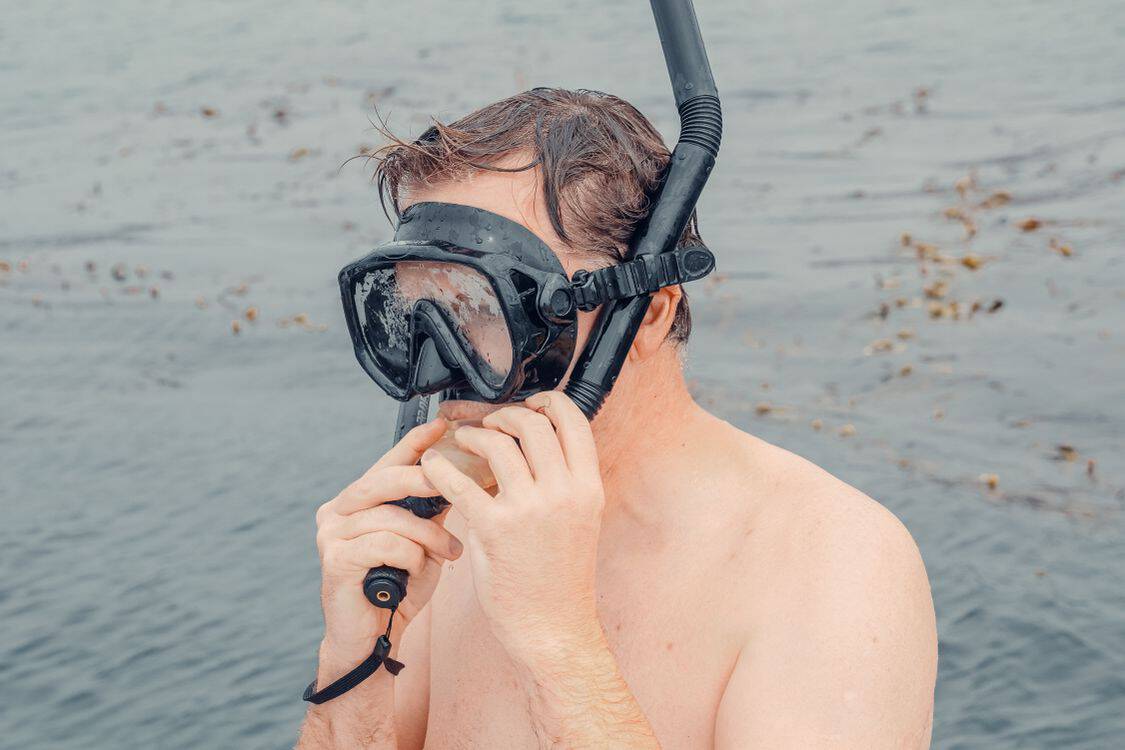
Walk through any airport gift shop on the way to Hawaii and you will see them stacked on the shelf: the sleek, single-piece snorkel masks that cover the whole face and promise effortless breathing through your nose and mouth at once. They photograph beautifully. They feel intuitive on the first try. And on a growing number of Kona boats, the crew will politely tell you to leave yours in the bag.
That refusal surprises a lot of guests, who assume a newer, pricier-looking design must be safer than a plain tube and a separate mask. The operators making this call are not being difficult. They are responding to a body of research and a string of incidents that have turned the full-face mask from an exciting novelty into a genuine point of caution among people who run water tours for a living.
The Design That Looked Like an Upgrade
The appeal is easy to understand. A traditional setup asks a beginner to clamp a mouthpiece between their teeth, breathe only through the mouth, and suppress the reflex to inhale through the nose. It takes some getting used to. The full-face mask erases that learning curve by sealing the entire face and letting the wearer breathe naturally, which is exactly why nervous first-timers gravitate to it.
The problem is what that sealed design does in an emergency. A full-face mask cannot be spit out the way a mouthpiece can. It cannot be cleared with a sharp exhale if water gets in. It cannot be ripped off quickly and reliably when someone is panicking, even with the quick-release tabs manufacturers have added. And critically, a buyer has no way to assess how much resistance the mask creates on each breath just by looking at it. Two masks that appear identical can perform very differently, and the difference is invisible until you are face-down in the water relying on it.
That last issue collides with a market problem. Researchers at Duke University who tested a range of these masks found that many do not perform the way their packaging claims, with some allowing water to leak and others failing to deliver the easy breathing they advertise. Worse, the researchers struggled to even identify who made some of the masks, tracing trademarks to residential addresses that could not possibly be manufacturers. For a piece of equipment a person’s life depends on, that lack of traceability alarmed the people studying it.
What the Drowning Numbers Actually Show
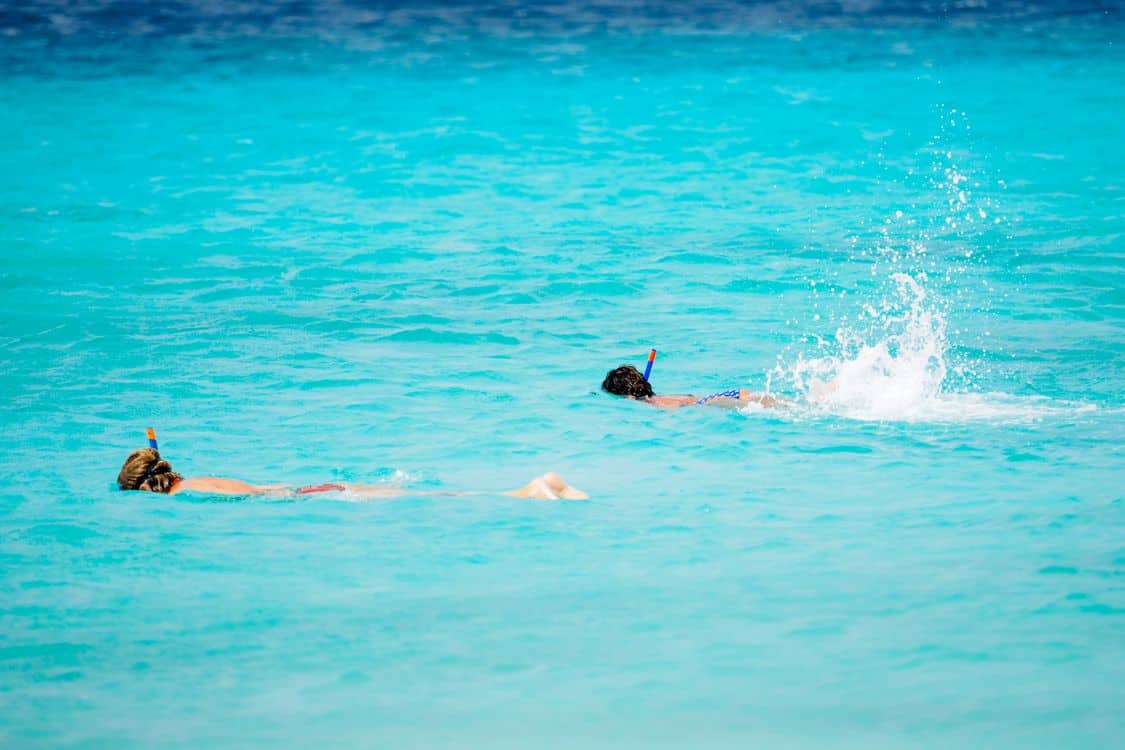
The masks did not arrive in a vacuum. They became popular against a backdrop of snorkeling already being one of the leading causes of visitor death in Hawaii, which is the context that gives operators pause. Reporting on the Duke findings noted that of 204 people who drowned while snorkeling between 2011 and 2020, roughly 91 percent were visitors. That figure existed before full-face masks were common, which is the important nuance. The masks are not the sole cause of Hawaii’s snorkeling deaths, and the data linking any individual death to a specific mask is genuinely murky.
But murky is not the same as reassuring. The honest reading is that snorkeling already carried real risk for visitors, that the dominant mechanism in many unexplained cases is a breathing-related lung failure, and that the full-face design introduces a set of features that perform badly in exactly the kind of breathing emergency that turns out to be common. Stack those facts together and a cautious operator does not need proof that the mask killed someone to decide it is not worth handing one to a guest in the dark.
There is also no real government oversight sorting the safe masks from the dangerous ones. Consumers are left to guess, with no agency vetting which brands clear a meaningful safety bar. That regulatory vacuum pushes the responsibility back onto the people closest to the water, which is the tour operators.
The Logic Behind the Ban
For an operator running small groups, the math is straightforward. They cannot inspect the internal resistance of a mask a guest brought from home. They cannot vouch for a manufacturer they cannot locate. They know that if something goes wrong, the full-face design makes it harder for a snorkeler to self-rescue and harder for a guide to intervene. So they standardize on equipment they understand and can remove in a hurry, and they ask guests to do the same.
This is especially pointed for night tours, which is why operators like Manta Ray Night Snorkel Kona standardize on simple, quickly removable gear, and for any setting where a guide is managing several people at once in low visibility. The whole premise of a well-run small-group trip is that the crew can watch individuals and act fast. A mask that resists fast action undercuts that premise. Banning it is not a knock on the guest who bought one in good faith. It is the operator refusing to accept a variable they cannot control.
None of this means a full-face mask is guaranteed to fail, or that careful adults cannot use one in calm, shallow, supervised conditions. It means the people who spend every day on the water have looked at the design, the testing, and the body count, and decided the simpler gear is the safer default. When a Kona crew hands you a standard mask and snorkel instead of the fancy one you packed, that is not fussiness. It is the most informed person on the boat making a call you would probably make too, if you had seen what they have seen.