
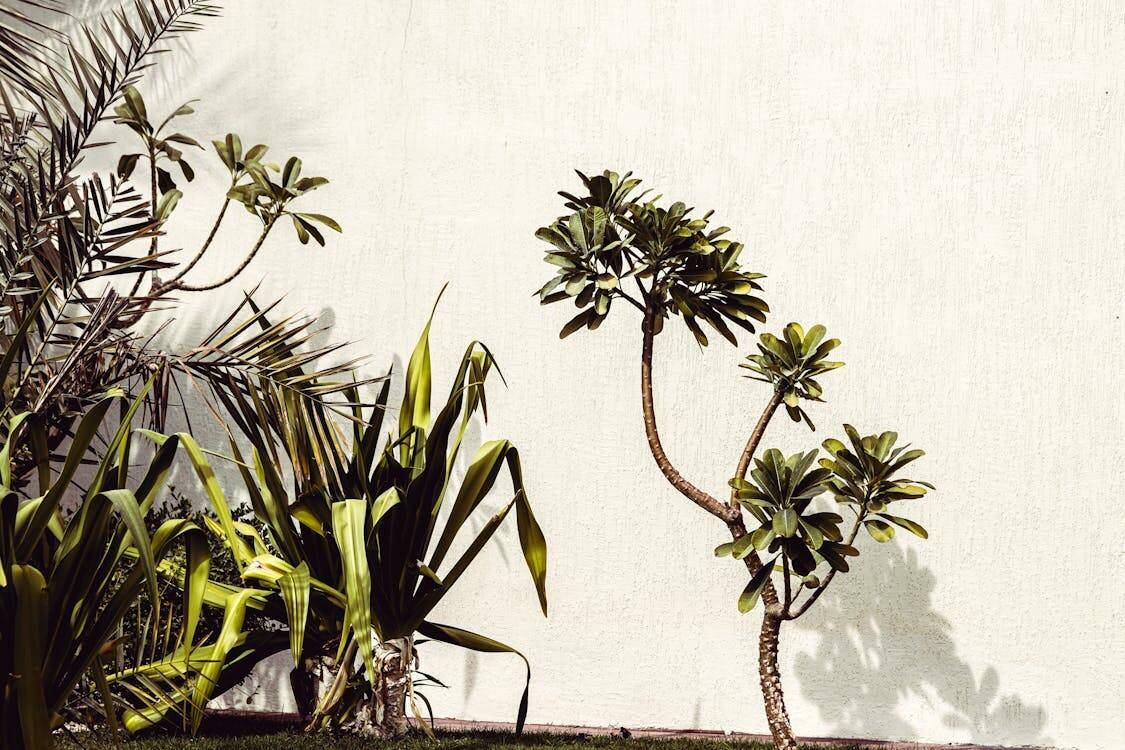
Tropical plants have become a defining element in many high end garden schemes, drawing the eye with broad leaves, sculptural trunks and intense blooms that read as both dramatic and relaxed at the same time.
Design teams prize the way a single palm or a well placed clump of large foliage can turn an ordinary yard into a scene that looks expensive, as if the plot has been on a short vacation without ever leaving town.
Clients with a green thumb often ask for plantings that put down roots quickly and offer immediate presence, leaving room for subtle tweaks rather than total rewrites year after year. A growing number of designers also rely on popular tropical plants for outdoor gardens when shaping initial concepts because they provide a dependable starting point for lush, immersive layouts.
Visual Impact And Scale
Large tropical plants provide immediate scale that can change the perceived proportions of a site, allowing a compact courtyard to feel like an expansive garden and large properties to read as cinematic sets rather than mere plots.
Architects and planting designers exploit that ability with great care, placing oversized leaves and tall stems to frame pathways, mask service areas and create dramatic sightlines that turn heads from the moment a visitor steps across the threshold.
The contrast between coarse tropical forms and finer textured companion plants gives a clear focal language for the eye to follow, which helps to hide less desirable elements such as plain paving or functional screens without adding built structures. In many projects the scale of tropical planting alone becomes a shorthand for quality and presence, a kind of botanical signature that signals attention and investment.
Textural Richness And Layering
A single tropical group might include glossy banana leaves, feathery palms, leathery alocasias and soft ferns that together create a wealth of tactile interest against which light and shadow play. Layering those textures at different heights produces a sense of depth that rewards slow movement through the site, encouraging lingering and repeated discovery as small details reveal themselves with each step.
Designers use repeated shape and unexpected contrasts to compose a planting that reads like a piece of music or a painterly scene rather than a random assortment of pots. That care with texture and rhythm is often the icing on the cake for clients who want spaces that feel both curated and alive.
Climate And Plant Performance
In climates where warmth and humidity prevail many tropical species show vigorous growth and reliable performance, shrugging off pests and stress that slow other plants down. Their evolutionary traits such as waxy cuticles, large leaf area and efficient water use give them an advantage in strong sun and rich moisture cycles, which leads to sustained cover and fewer replanting cycles over time.
Even farther from the equator clever placement, microclimate creation and choice of hardier varieties allow a tropical vibe to be sustained in sheltered courtyards, terraces and greenhouses where winter exposure is mitigated. The practical payoff is a planting scheme that remains coherent season after season with predictable growth habits that both clients and maintainers can rely upon.
Low Maintenance Appeal
Many tropical specimens need modest pruning and basic feeding rather than constant fuss, which appeals to owners who prefer a strong visual result with a modest time investment. Grouping plants with similar moisture and light requirements simplifies care and reduces wasteful watering, a smart approach that saves labor and resources while keeping the result lush.
Mulches and choice of groundcover beneath dramatic palms or heliconias can cut weed pressure dramatically and let the bigger forms do the work of defining space. All told tropical choices offer a clear path for people who want a polished property without daily exertion.
Seasonal Interest And Year Round Presence
Many tropical plants remain evergreen or deliver staggered flower displays so that color, scent and structure persist long after many temperate companions have gone quiet. This continuity reduces gaps in the plan and keeps outdoor rooms usable across changing weather patterns, giving owners more days when the space feels complete and welcoming.
Flowering palms, heliconias and selected gingers can also provide startling bursts of hue that punctuate slow seasons and attract pollinators, adding life and motion. The result is an ongoing program of visual interest that meets the expectations of clients who prize both spectacle and steady performance.
Lifestyle Associations And Psychological Effects
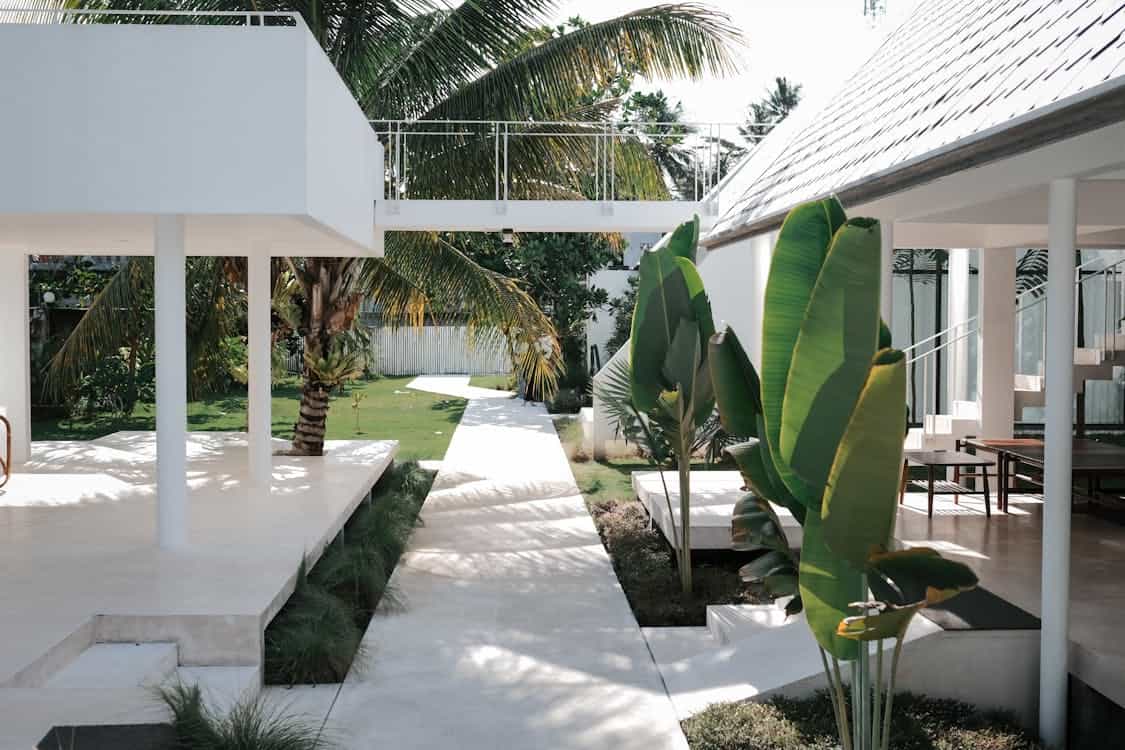
Tropical planting carries clear cultural cues of leisure, travel and private retreat, a shorthand that aligns well with properties aiming to offer a guest experience or a personal escape. Dense green rooms created by palms, cycads and broadleaf understory plants help to muffle sound and increase privacy, making outdoor areas feel intimate without hard screening.
There is also a measurable effect on mood, as nearby greenery often reduces tension and invites slower breathing, which helps occupants feel as if they have stepped into another pace of life for a few minutes. Clients often describe such spaces with simple phrases that echo familiar holiday memories, language that can guide planting choices and the overall tone of a project.
Commercial And Residential Trends
Hospitality designers and high end residential teams frequently choose tropical planting because it photographs well, creates memorable arrival experiences and supports a clear marketing story for properties. As images circulate across magazines and social platforms the look spreads, encouraging more orders for palms, gingers and striking foliage at nurseries and wholesale outlets.
That demand in turn influences what is grown and sold, shaping the palette that appears in new projects and making a tropical language a common shorthand for premium outdoor settings. When supply, client desire and visible success line up the result is a durable trend that continues to shape how public and private green spaces are appointed.