
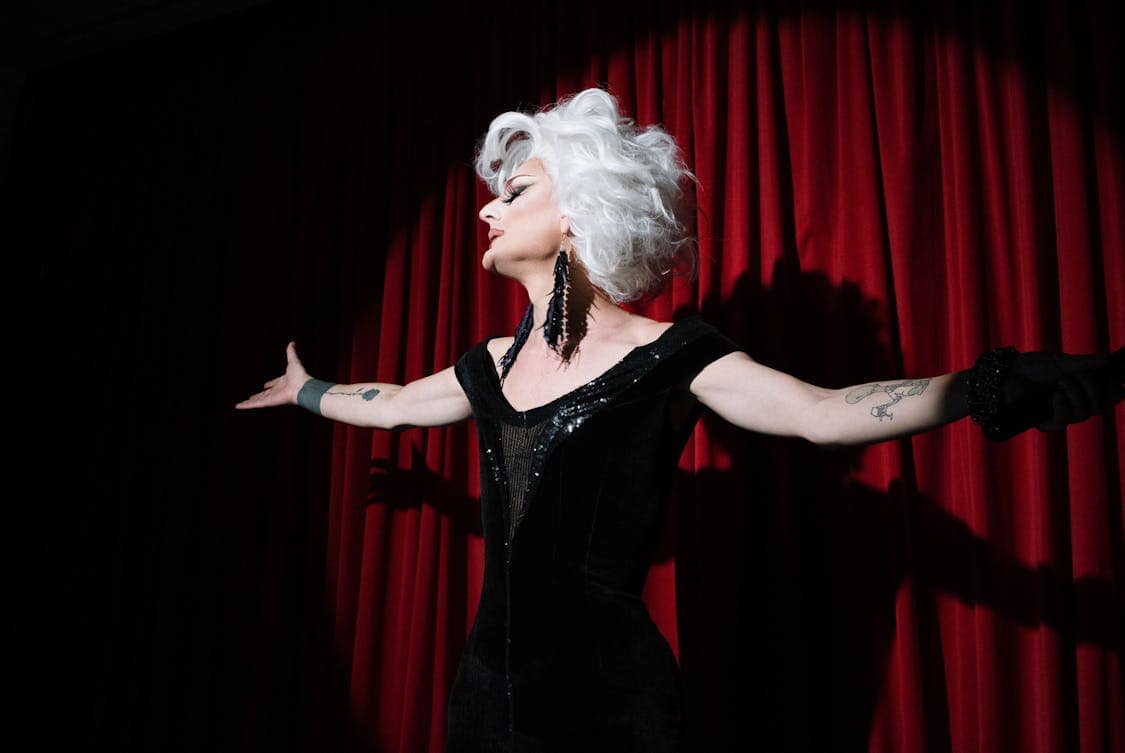
Drag performers bring color wit and theatricality that can transform a routine gathering into something memorable and joyful. Finding the right artist for a party product launch fundraiser or themed night takes a bit of research and a willingness to look beyond the obvious listings.
A good match blends personality style and audience energy while fitting the event logistics and budget. With a few straightforward methods you can locate talented queens who will lift an event from tidy to unforgettable.
1. Tap Local Community Hubs
Start by connecting with neighborhood centers queer organizations and arts collectives that have long histories of supporting live performance and gender creative culture, as they often maintain informal rosters or can point you toward regular cabaret hosts. Those on the ground tend to know performers who can adapt their set to family friendly contexts formal ceremonies or late night shows and they can share firsthand notes about stage presence time needs and special requests.
Visiting a center in person or sending a respectful message to a coordinator gives you richer feedback than an anonymous search and helps build trust before any offer is made. For quick results, you can also explore a Brisbane drag queen hire to connect directly with talented performers ready to elevate your event.
Community hubs also offer insight on etiquette and accessibility so your outreach begins on the right foot for both talent and audience.
Look for bulletin boards event calendars and volunteer led projects that highlight artists who already have experience with diverse crowds and non traditional venues. When an artist has a track record with community events you gain clues about their reliability willingness to meet venue rules and skill at reading a crowd, and you can often ask event organizers about payment norms and technical requirements.
2. Use Social Media And Video Platforms

Social feeds and short form video channels are a showcase for rehearsal clips full performances and behind the scenes footage that tells you more than a simple biography ever could. Watching a few numbers lets you gauge vocal ability comedic timing costume work and how a performer interacts with live attendees, which helps predict how they will land with your guests.
Profiles will often include contact instructions links to booking information and sample rates, and a quick direct message can start a useful conversation about availability and format. Pay attention to engagement patterns and past performance tags because they reveal how the crowd responds and whether the performer is comfortable with similar venues or themes.
When video content is thin or geared toward a very specific persona you can request short bespoke clips that demonstrate the sort of material you want for the event, and many artists are happy to show a sample that clarifies pacing and content limits.
Treat those exchanges like a mini audition and provide clear context about the audience age range and any program constraints so the artist can tailor a safe lively set.
3. Reach Out To Booking Collectives And Agencies
A number of booking collectives and entertainment agencies list performers who specialize in drag and cabaret performance and they can help match talent to your brief while handling contracts and logistical details. Working with a collective reduces the back and forth and offers some protection for both parties with standard terms about travel time tech riders and cancellation clauses, and they often vet performers for professionalism and stage skill.
Fees from agencies may include a coordination charge yet that cost often pays off when an event requires multiple acts complicated staging or an exact run time. Agencies can also advise on local licensing rules and sound restrictions that are easy to overlook when you are focused on creative choices.
If an agency feels too formal for the vibe you want reach out to artist led cooperatives where performers collaborate on bookings and share resources, and those groups tend to be flexible about set length content boundaries and pay structure. A polite clear brief about audience age set up and compensation expectations will get faster responses and help you compare options without extra confusion.
4. Scout Live Shows And Open Nights
Seeing performers live remains one of the best ways to judge how a queen will hold a room and adapt when the unexpected happens, because a staged performance rarely mirrors the energy of a real time crowd. Attend a few shows in different settings like a neighborhood bar a theater night or a private event series to note how talent communicates with audiences navigates sound hiccups and paces transitions between songs or bits.
Bring a notebook or make a quick recording of names and memorable moments so you can follow up with specific examples you liked when you contact an artist. Promoters and venue staff can also recommend performers who excel at similar event formats and they can offer practical tips about setup times and load in logistics.
Open mic nights and themed events present a chance to see up and coming talent alongside seasoned professionals and those lineup nights reveal who handles improvisation and who prefers a tightly scripted routine.
If you spot a performer who fits your brief introduce yourself after the show and explain the event context in plain terms, offering to exchange emails so they can review the offer and reply when a decision is possible.
5. Communicate Clear Goals And Fair Pay
Clear communication about audience demographics set length content boundaries and compensation avoids awkward conversations later and makes it easier for performers to craft material that lands. Outline technical needs such as microphone type lighting cues and space limitations and state whether the event is alcohol free family oriented or late night so there are no surprises on the day of performance.
Offer a straightforward payment proposal that reflects experience travel demands and rehearsal needs and be open to discussing alternative arrangements like partial payment plus merchandise sales, which can work well for smaller community events. A concise written agreement protects both parties and helps preserve goodwill if plans shift.
When you are flexible about creative approach but firm on safety rules you create room for memorable innovation that respects the audience and the performer alike, and that stance encourages artists to bring their strongest work.
Follow up promptly after a booking with a checklist for arrival timing parking load in and any promotional assets the performer might need so the event runs smoothly and the performer feels supported.