
Upgrading home plumbing often feels like a big job, yet a handful of low cost improvements can deliver noticeable benefits quickly. Small changes reduce wasted water, shorten wait time at taps, and cut the risk of leaks that create costly repairs down the road.
These practical fixes fit a range of budgets and skill levels, and they blend simple parts with a bit of elbow grease. The suggestions that follow mix familiar tools with smart little pieces of gear that keep pipes and fixtures running smoothly.
1. Install Low Flow Fixtures
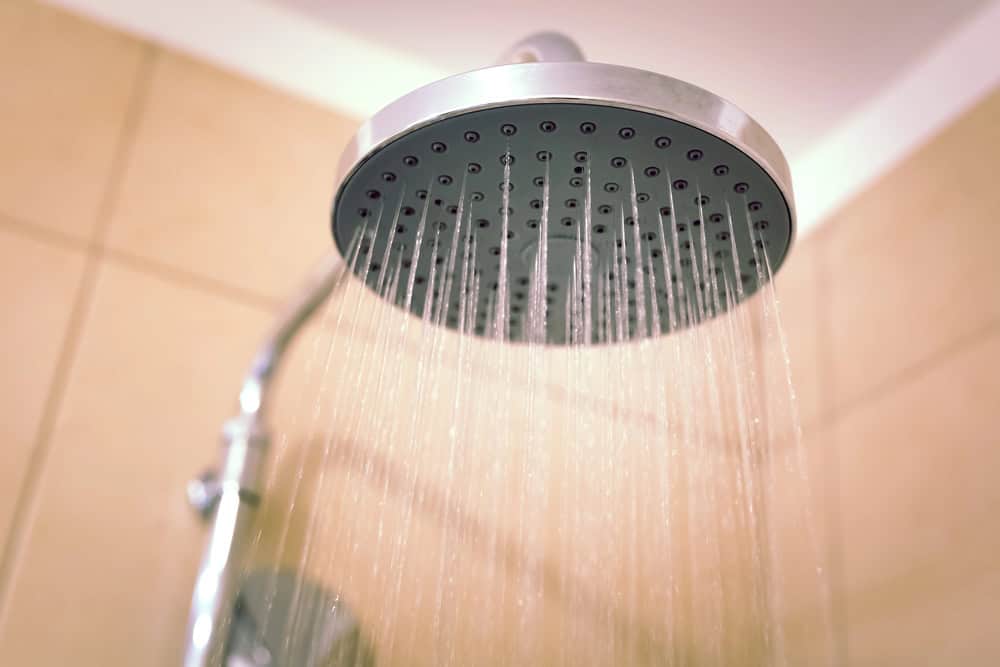
Low flow faucets and showerheads reduce water use by mixing air into the stream and using smaller ports to keep pressure feeling satisfying while saving resources. Modern designs use clever internal geometry so you do not lose comfort when the meter starts to look healthier.
A stitch in time saves nine; small drips and high volume flow add up over months into real waste that shows up on the bill. For kitchens and bathrooms many fixtures swap in a couple of hours with basic tools and a steady hand.
Aerators screw into spouts and cost very little, yet they shrink water bills while keeping usable pressure at the sink where you need it most. Showerhead choices run from straightforward low flow models to options with multiple spray patterns so the shower stays pleasant even with less water moving through it.
Look for WaterSense labeled products to match efficiency with solid performance and standard warranties that protect the purchase. Picking the right size and finish avoids awkward fits and makes a modest upgrade look like a pro finished the job.
2. Add Leak Detectors And Automatic Shutoff
Water damage has a way of sneaking up on a homeowner, turning quiet drips into warped floors and mold before anyone spots the source. Battery powered leak detectors and smart sensors alert you to puddles or unusual humidity levels so you can act fast instead of discovering problems after the fact.
Some systems link to a valve that closes the main supply when alarms trigger, stopping many incidents in their tracks and limiting the need for emergency repairs. Installation for basic kits is largely DIY friendly, and the price point for starter packages fits many budgets without breaking the bank.
Mobile notifications add a layer of protection when you are away from the property and worrying about pipes in cold weather, and setups that talk to a central app give peace of mind with minimal fuss. A single sensor in a basement plus a shutoff valve at the supply line can save hundreds when it stops a leak early and avoids extended drying and reconstruction.
Shop for sensors with long battery life and clear placement guidance to get reliable alerts and fewer false alarms. If electronics feel like overkill, a mechanical float switch tied to a local alarm can perform the same basic job in a simple, old school way.
3. Replace Old Faucets And Showerheads
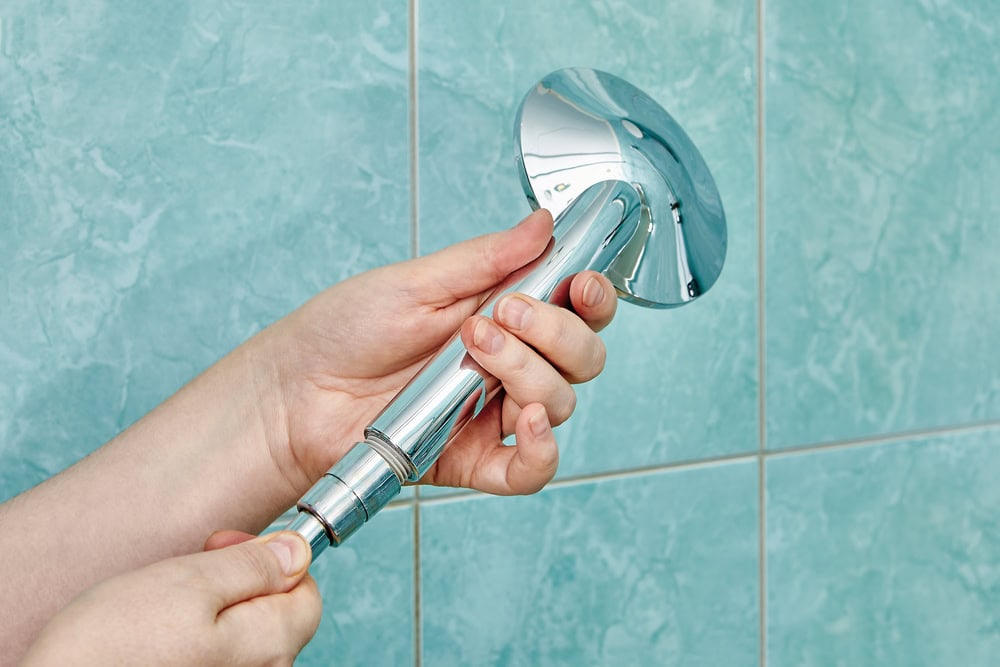
Corroded valves and worn seals often lead to slow leaks and falling pressure, which lengthens chores and makes daily routines less pleasant. Replacing a faucet cartridge or a shower valve can restore proper flow and eliminate drips with only a moderate amount of effort and commonly available parts.
A modern single lever mixer speeds up temperature adjustments and cuts the water wasted while fiddling with hot and cold controls. Many brands publish clear guides with images that walk a homeowner step by step through common repairs and part swaps. For those who prefer professional help, there are plumbing services tailored for older Australians that focus on both safety and ease of use.
Choosing a new faucet finish like polished chrome or brushed metal hides years of wear and gives a small upgrade the feel of a full bathroom refresh at a fraction of cost. Measuring inlet sizes and mounting configurations before purchase saves returns and avoids extra runs to the hardware store, which eats both time and patience.
When water contains grit or high mineral loads, ceramic cartridges resist wear and help leaks show up less often while stabilizing performance. If the project looks beyond your comfort zone, a short call to a local plumber can answer questions and keep the price predictable.
4. Insulate Exposed Pipes
Insulating hot and cold lines reduces heat loss and guards against freezing when frigid nights arrive and systems get stressed by rapid temperature swings. Foam sleeves slide over copper and plastic lines without adhesive and come in lengths that are easy to cut cleanly with a utility knife and pair with simple tape for seams.
Keeping hot water lines warm shortens wait time at taps and uses less energy to bring water up to the desired temperature, which pays back in comfort and lower bills. Insulating cold water lines also prevents condensation that can stain cabinets and encourage mold growth, preserving finishes and air quality.
In basements crawl spaces and utility closets wrapping the most exposed runs makes a real difference in how quickly a system recovers from outdoor temperature swings and in overall efficiency. Choosing insulation rated for local climate conditions helps avoid cracking during sudden freezes and gives a practical return in reduced heat loss.
A bit of elbow grease and a few dollars worth of product yields a more resilient system that behaves better when weather goes extreme. Laying out the routing on paper before you start cuts confusion on ladders and scaffolds and shortens the time the job takes.
5. Install A Pressure Regulator And Aerators
Too much water pressure puts stress on fittings appliances and seals, and a steady limit protects the entire system while still letting taps perform well. A pressure regulator mounts on the main supply, lets you set a safe psi number, and includes an inline gauge for simple verification before and after adjustments.
Most regulators last for years with minimal fuss and avoid mysterious leaks that show up where joints fail under excess force. Pairing a regulator with faucet aerators tames random pressure spikes and trims consumption in a compact and inexpensive package.
Testing pressure with an affordable gauge before and after installation makes the benefits obvious and removes guesswork from the process, giving clear numbers to compare. Aerators screw in near the spout outlet and can change a hard jet into a steady gentle stream that feels comfortable while using much less water.
The two measures together reduce wear on seals appliances and hoses and help the household run with fewer surprises and service calls. A calm steady flow can be worth far more than a flashy rush that leaves you chasing leaks and replacing parts more often than you would like.